Top AI Study Tools for Medical Students
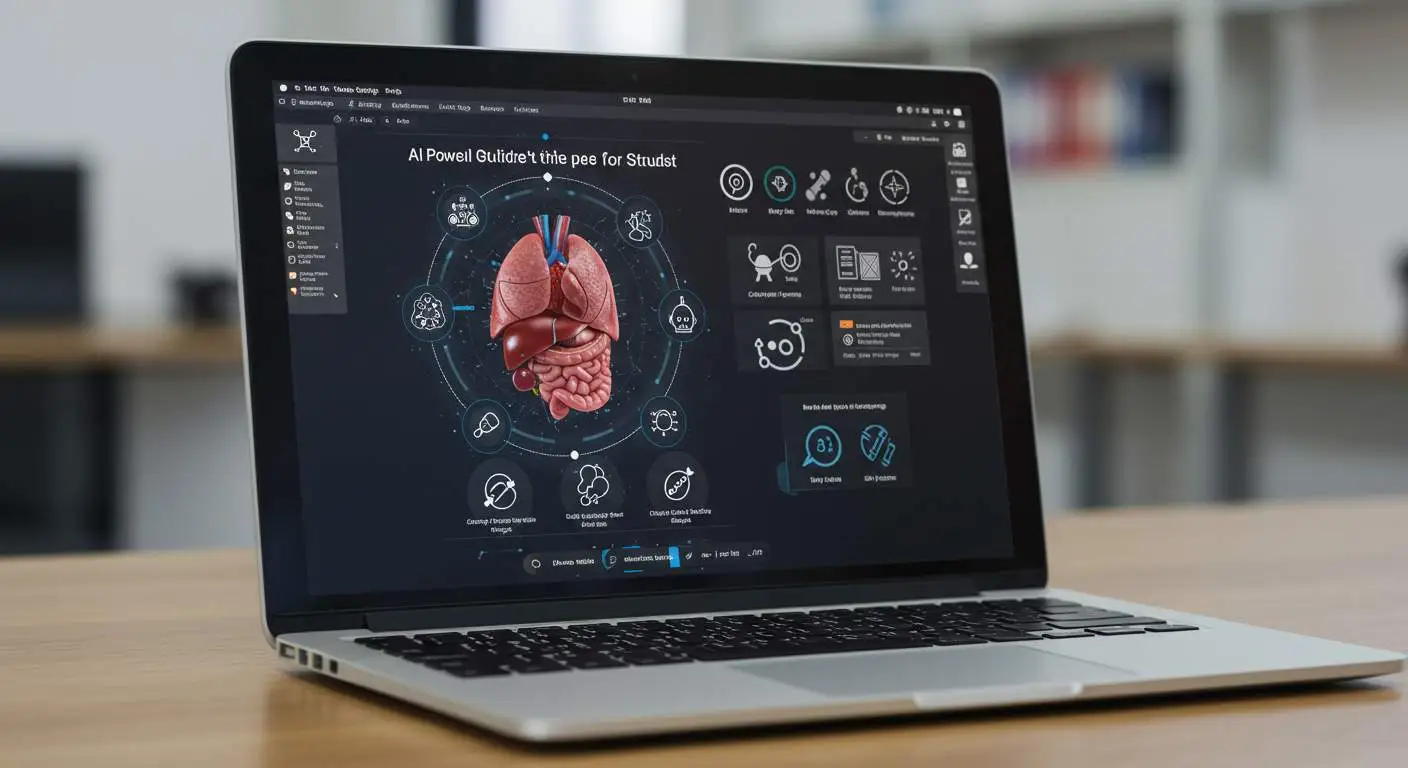
These AI-driven tools help students save time, improve focus, and deepen understanding across medical subjects.
Anki + AI Integration
This tool combines spaced repetition with intelligent algorithms to boost long-term memory retention. It’s ideal for mastering anatomy terms, drug names, and medical conditions through personalized flashcards. The AI-based tracking adjusts difficulty based on your learning pace for efficient recall.
Glass AI
Glass AI acts as a virtual medical assistant, helping students generate patient summaries, interpret lab results, and organize clinical notes. It supports case-based learning, improving analytical thinking and diagnostic reasoning through realistic healthcare simulations.
Amboss
Amboss uses adaptive learning technology to guide students through detailed medical content. It provides personalized study recommendations, in-depth explanations, and real exam-style questions, making it an essential platform for USMLE and medical exam preparation.
ChatGPT (Academic Mode)
When used ethically, ChatGPT supports medical learners by simplifying complex subjects, summarizing dense research, and generating sample clinical scenarios. It encourages comprehension over memorization, helping students strengthen critical reasoning skills without compromising academic integrity.
VisualDx
VisualDx enhances diagnostic learning by combining AI and clinical imagery. Students can explore thousands of real medical images, compare symptoms, and practice differential diagnosis. It’s a powerful tool for understanding visual patterns in dermatology, pathology, and internal medicine.
Firecracker
Firecracker optimizes study efficiency with adaptive testing and personalized learning analytics. It helps track progress, reinforce weak areas, and organize revision schedules for consistent preparation. Designed for long-term retention, it’s an excellent resource for mastering clinical and theoretical knowledge.
How Medical Students Can Use AI Responsibly
AI in education offers immense benefits, but ethical boundaries matter. Medical students must use AI as a guide, not as a replacement for hands-on practice and judgment. Misuse can lead to academic integrity issues or overdependence on technology.
For high school students exploring early exposure to technology, consider starting with AI internships a great foundation before pursuing advanced medical studies.
Set Clear Study Goals
Before using AI tools, decide exactly what you want to accomplish. Define whether your goal is to revise anatomy, summarize medical research, or simulate patient care scenarios. Clear objectives help you stay focused, avoid distractions, and use technology purposefully rather than relying on it blindly.
Use Verified Sources
AI can simplify complex concepts, but its accuracy isn’t always guaranteed. Always cross-check AI-generated data, clinical facts, or references with trusted textbooks, academic journals, or verified medical databases. This ensures your learning remains credible, evidence-based, and aligned with professional medical standards.
Maintain Academic Integrity
Use AI as a supportive guide, not a content generator. Avoid letting it write full essays, reports, or exam answers. Instead, leverage it for brainstorming, structuring ideas, and improving clarity. Upholding integrity ensures your work reflects genuine understanding and strengthens your reputation as a responsible medical learner.
Conclusion
Using AI for medical students helps transform complex learning into a more interactive, personalized experience. By combining technology with discipline and ethics, students can strengthen their understanding of diagnostics, anatomy, and patient care.
AI’s role in medicine will only grow, but success depends on how responsibly you use it. Smart learners know technology enhances learning, not replaces it.