How I Turned My 2.1 GPA into a 3.8: A Real Student’s Guide to Higher Grades

How I Turned My GPA to 3.8

More than 80% of recent college graduates face burnout during their undergraduate years. The reality of stress, burnout, and academic pressure hit me hard too. My 2.1 GPA stared back at me, and I wondered if I could pull it up before time ran out.

Panic struck me after learning that most graduate programs need at least a 3.0 GPA. Rather than giving up, I came up with a step-by-step plan to boost my grades. This meant more than just better numbers on paper. Research shows students’ graduation rates improve by a lot with higher GPAs. Students with a 3.75+ GPA have an 80% chance of graduating college, while those below 1.5 only have a 20% chance.

The good news? You can turn your GPA around with the right approach. I’ll share my journey of raising my GPA to 3.8 in this piece. These aren’t just theories from a straight-A student – these are tested methods that worked for me. They can help you too, whether you want better grades to get scholarships, apply to graduate school, or improve your academic record.

The Wake-Up Call: Realizing My GPA Was in Trouble

How I Turned My GPA

My grades didn’t crash overnight. My original confidence made me believe my high school study habits would work in college. I was wrong.

How I ended up with a 2.1 GPA

Looking back, several things led to my 2.1 GPA:

  • I relied on passive study methods like highlighting and re-reading instead of active techniques
  • My time management was a mess—I’d cram the night before exams
  • I missed classes, not knowing that attendance relates directly to test scores
  • I barely looked at course syllabi and missed key grading details

The jump from high school to college coursework hit me hard. This happens to many students—college readiness scores in math and English have dropped nationwide. Studies show students often lack the right executive functioning skills and study habits they need.

The emotional toll of academic failure

Bad grades affected my mental health more than my academic record. Studies show that poor academic performance and depression symptoms go hand in hand, especially among university students. I lived through this myself.

Each disappointing grade crushed my confidence more. I felt alone while my classmates seemed to excel. This started a downward spiral—students who feel more lonely tend to show higher depression scores and lower grades.

The World Health Organization lists academic failure as a risk factor for mental disorders. My story matched this perfectly. I felt worthless, beaten down, and wondered if I even belonged in college.

Why I decided to turn things around

Everything changed when I learned that most schools see a GPA below 2.0 as low, especially on the standard 4.0 scale. I also found that many scholarships need a GPA between 2.5 to 3.5. Students with low GPAs risk academic probation.

My shrinking future opportunities pushed me to act. My college education wasn’t the only thing at stake—my career prospects were too, since employers often screen recent graduates by GPA.

All the same, I saw hope when I learned that better grades in later semesters could raise my GPA. Companies and colleges often like seeing an upward trend because it shows growth and determination. This knowledge became my anchor.

Building a Smarter Study System

My grades hit rock bottom, and I knew I needed to completely change my study approach. Just spending more time with books wasn’t enough—I had to study smarter.

Creating a weekly study schedule

My GPA recovery started when I took control of my calendar. Every Sunday evening, I planned my week ahead. Each 3-credit course needed 6-9 hours of weekly study time. This added up to 30-45 hours for all courses combined—a reality check that showed why cramming never worked.

My schedule included:

  • Regular commitments (classes, meals, exercise)
  • Preview time before each class (30 minutes)
  • Review time right after class (30 minutes)
  • Flex time for unexpected situations

Using past tests to identify weak spots

Looking at my returned exams taught me something valuable—the score wasn’t everything. I studied my mistakes to find patterns. Past exams became my diagnostic tools, helping me focus on areas where I kept struggling.

Joining a study group that actually worked

Research shows students in study groups tend to take more classes in that subject. My group worked because we kept it small—just 2-3 members. We met weekly with strict ground rules:

  • Everyone came prepared
  • We took turns explaining concepts
  • No judgment of skill levels
  • No phones or social media during sessions

How I improved my note-taking

The Cornell Method replaced my random note-taking style. This system divides notes into sections for main notes, cues/questions, and summary. Students remember more when they write notes by hand instead of typing.

Why I stopped cramming the night before

The biggest change came when I quit last-minute cramming. Research shows cramming might help you pass a test but ruins long-term learning. Sleep plays a vital role in memory formation. I switched to spaced studying with shorter, frequent sessions spread across days or weeks.

Getting Help and Using Campus Resources

My GPA turnaround needed more than improved study habits—I had to use every resource available on campus.

Meeting with professors during office hours

Office hours turned out to be an amazing resource I hadn’t tapped into before. I started by preparing specific questions about course material, upcoming assignments, and my work that needed feedback. Getting there 5 minutes early helped me avoid the wait to meet professors. Being honest about what I didn’t understand worked better than pretending to know it all.

Working with a tutor for tough subjects

When classes got really challenging, I set up regular meetings with subject-specific tutors. These sessions did more than explain concepts—they helped create learning plans that matched my strengths and weaknesses. I made our time count by listing specific topics I needed help with before each session.

Using academic advising to plan smarter

Academic advisors became my allies in planning. They helped me match my skills and interests to potential careers and made sure I took the right courses in order. This saved me time and money by avoiding classes I didn’t need.

Dropping and retaking classes strategically

Sometimes, the best way to protect my GPA was to drop a tough course. I always checked with my academic advisor first to see how it would affect my graduation timeline and financial aid. When it made sense, I retook certain courses to replace low grades with better ones.

Changing My Mindset and Habits

My GPA transformation taught me something unexpected. Study techniques and campus resources helped, but my success came from changing how I viewed academic achievement.

Letting go of perfectionism

Perfect grades became my obsession, and it backfired. A newer study published in shows perfectionism continues to rise among college students. This hit home when I found myself pulling all-nighters to perfect assignments. Tasks felt overwhelming because my standards were impossible.

These steps helped me move from perfectionism to excellence:

  • High standards with room to breathe
  • Learning became the priority, not just grades
  • Mistakes turned into stepping stones for growth

Setting realistic GPA goals

The 4.0 dream had to change. Students who pick specific targets show more drive and determination. SMART goals became my guide—specific, measurable, achievable, relevant, and time-bound.

Balancing school with self-care

Sleep, food, and exercise took a backseat to my studies. This strategy failed me. Research shows 48% of college students deal with moderate or severe psychological stress.

My essential self-care routine became:

  • Regular sleep patterns with 7-9 hours rest
  • Daily 20-minute workouts
  • Brain-boosting nutritious meals

Tracking progress without obsessing

My relationship with grade tracking needed an overhaul. Progress checks should celebrate growth, not hunt for mistakes. Each assessment became a roadmap for improvement rather than a measure of my worth.

Conclusion

My GPA soared from 2.1 to 3.8 through dedication, smart planning, and a complete reset of my study habits. This trip taught me something valuable – better grades don’t come from studying harder alone. You just need to study smarter. My transformation took time and happened through steady use of methods that worked.

Looking at myself honestly showed me my old habits weren’t cutting it. So I built better study schedules, learned to take notes effectively, and switched from cramming to spread-out study sessions. The campus resources became my allies, not my last hope. My recovery plan worked because I used office hours, tutoring, and academic advice.

Maybe the biggest change came from within. My view on perfectionism changed completely, which helped me set achievable goals and feel good about small wins. It also showed me that taking care of myself wasn’t separate from doing well in school. Good sleep, food, and exercise actually boost how well you learn and think.

My transcript shows the numbers, but that’s not the whole story. The higher GPA brought confidence, strength, and skills I’ll use throughout my career. Students with low grades should remember that bad scores don’t limit what you can achieve. Your grades can get better with the right plan and steady work.

The trip wasn’t easy, but every step forward counted. My story proves you can turn your academics around whatever your starting point. These techniques can work for you too – you just have to start today and believe in the process.

FAQs

Q1. How long does it typically take to significantly improve your GPA?

Improving your GPA significantly can take several semesters of consistent effort. In the author’s case, it took 6 consecutive semesters of earning all A’s to raise their GPA from 1.8 to 3.8. The time required depends on factors like your starting GPA, course load, and academic performance.

Q2. What are some effective study techniques for improving grades?

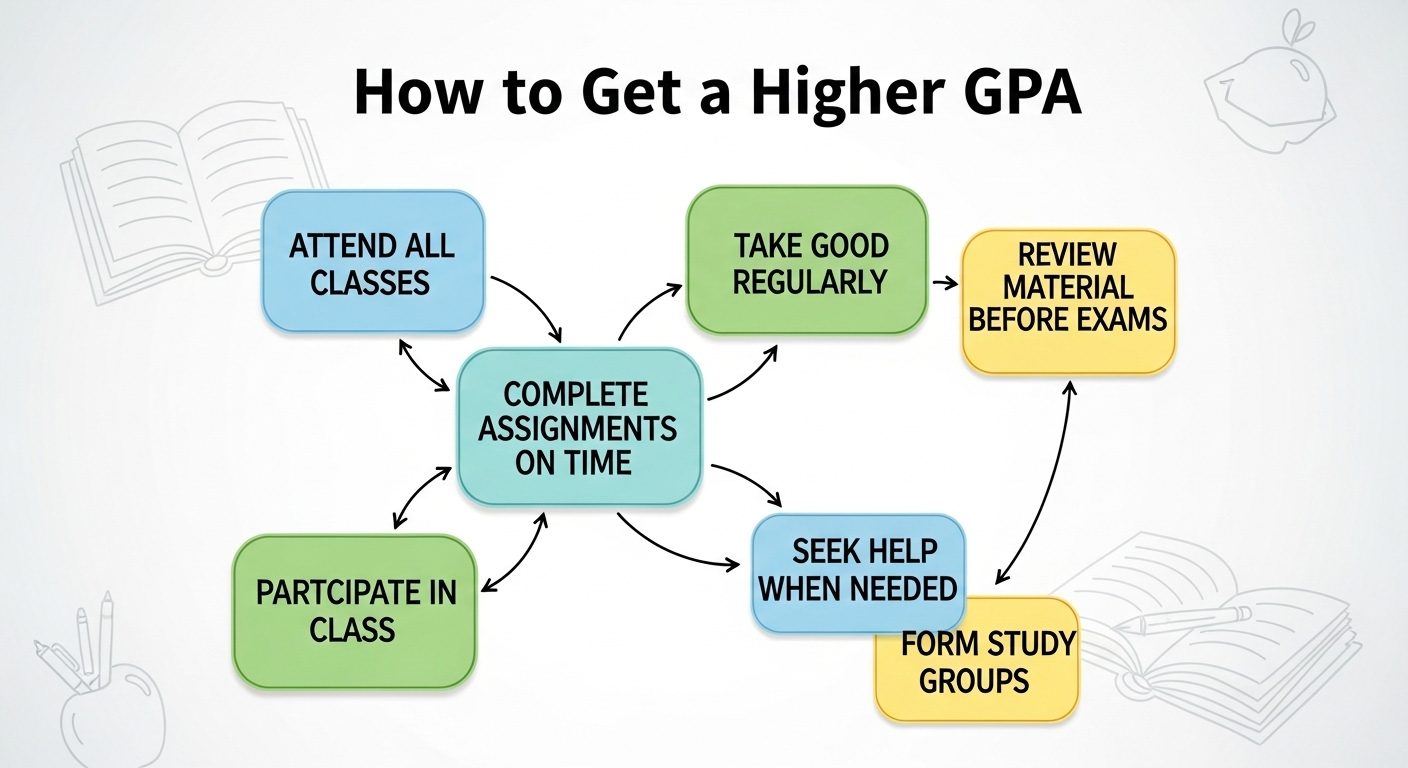
Effective study techniques include creating a weekly study schedule, reviewing material on the same day it’s taught, using active recall methods like practice tests, joining focused study groups, and improving note-taking skills. It’s also important to avoid cramming and instead use spaced repetition for better long-term retention.

Q3. How important is class attendance for academic success?

Regular class attendance is crucial for academic success. Even if you’re not fully engaged, simply being present can help you absorb information and stay on track with coursework. The author emphasizes that showing up to class, even when you’re not feeling 100%, can make a significant difference in your understanding and performance.

Q4. Should students prioritize mental health while trying to improve their grades?

Absolutely. The author stresses the importance of knowing when to take breaks and prioritize self-care. Balancing academic efforts with mental health is essential for sustainable improvement. This includes getting adequate sleep, exercise, and seeking help when needed, such as utilizing campus counseling services.

Q5. Can a low GPA be overcome for future academic or career prospects?

Yes, a low GPA can be overcome. Many graduate programs and employers look favorably upon upward trends in academic performance. Consistently improving your grades over time demonstrates growth, determination, and the ability to overcome challenges. It’s important to focus on current efforts rather than past setbacks.