Top Career Paths for Biological Science Graduates
A biology degree provides access to a wide range of professional opportunities. Let’s look at the most common and rewarding paths.
1. Healthcare and Medicine
Biology graduates often pursue healthcare careers such as:
- Medical Laboratory Technician: Performing diagnostic tests and analyzing samples.
- Physician Assistant or Nurse Practitioner: Providing patient care under medical supervision.
- Public Health Specialist: Designing health programs and promoting wellness.
These roles allow you to apply biological principles directly to human health. Many graduates continue with advanced degrees in medicine, nursing, or biomedical sciences.
2. Research and Development
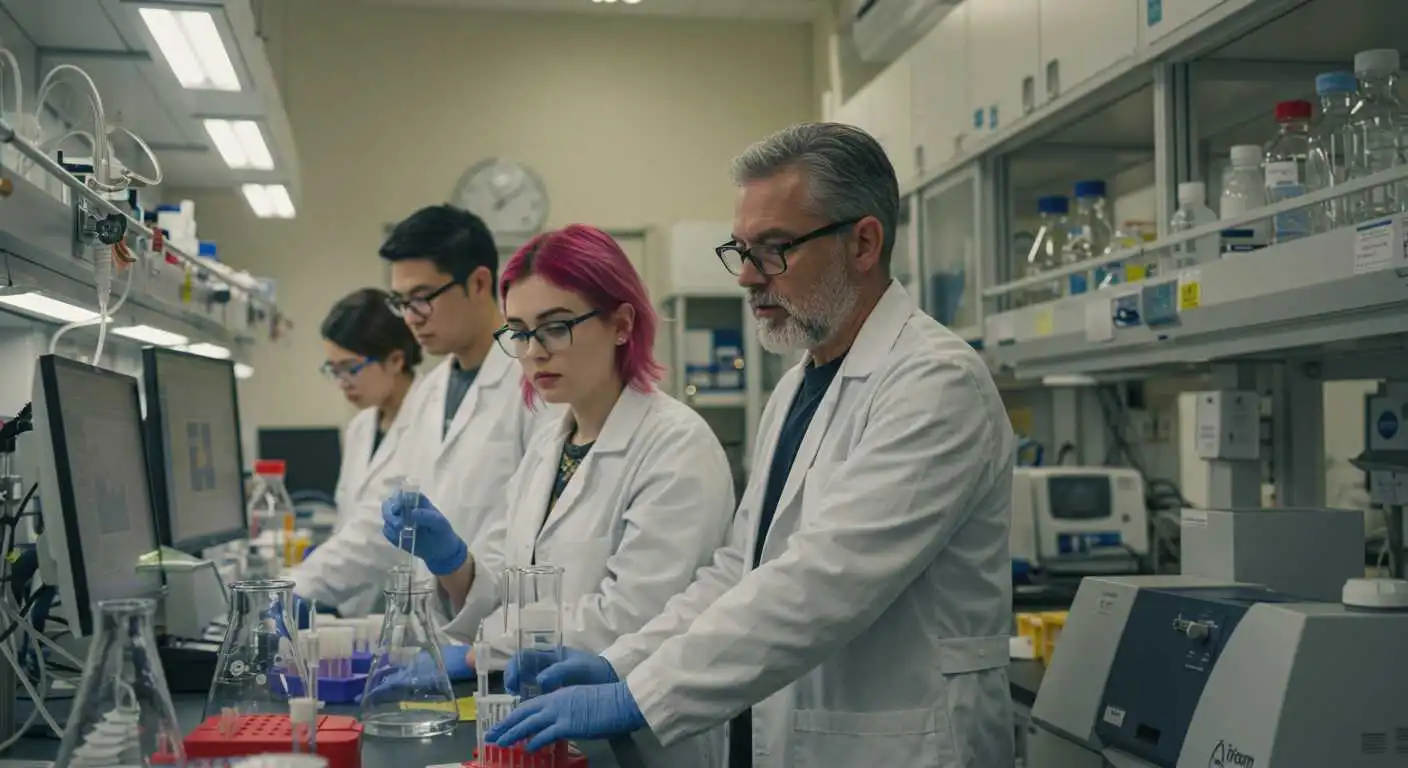
Research is a core pillar of biological sciences. You could work as a research scientist, biotechnologist, or clinical research associate, exploring new medicines, vaccines, or sustainable products.
This field demands curiosity and precision, often leading to positions in universities, government agencies, and private laboratories.
3. Environmental and Conservation Biology
Environmental careers are ideal for those passionate about sustainability and conservation. Roles include:
- Ecologist: Studying ecosystems and biodiversity.
- Environmental Scientist: Assessing pollution and advising on policy.
- Wildlife Biologist: Monitoring species and habitats.
Organizations like the Environmental Protection Agency or World Wildlife Fund often hire biology graduates for field research and policy planning.
4. Biotechnology and Pharmaceutical Industries
Biotechnology merges biology with technology to improve products and processes. Careers include:
- Biotechnologist: Developing medical treatments or agricultural innovations.
- Pharmaceutical Scientist: Researching and testing new drugs.
- Quality Assurance Specialist: Ensuring laboratory compliance and safety.
Leading companies such as Pfizer and Johnson & Johnson employ biology graduates for R&D and quality control.
5. Education and Science Communication
Graduates who enjoy explaining complex ideas may pursue teaching or communication roles. Opportunities include:
- Science Teacher or Lecturer: Teaching biology at schools or colleges.
- Science Writer or Communicator: Writing articles, textbooks, or digital content.
- Museum or Outreach Coordinator: Promoting scientific literacy in communities.
Biology graduates excel in these roles because they can translate technical knowledge into accessible language.
Six Fast-Growing Careers for Biology Graduates
- Genetic Counselor: Helping patients understand hereditary conditions.
- Biomedical Engineer: Designing medical equipment and prosthetics.
- Microbiologist: Studying microorganisms for healthcare or food industries.
- Bioinformatics Scientist: Using data science to analyze biological data.
- Environmental Consultant: Advising organizations on sustainable practices.
- Forensic Scientist: Applying biology in criminal investigations.
Each of these roles combines biological understanding with specialized skills in data, technology, or communication.
Interdisciplinary Career Opportunities
The biological sciences overlap with technology, policy, and communication, creating careers that bridge multiple disciplines. For example, bioinformatics merges computer science and genetics, while biophysics connects biology with physics to explore cellular mechanisms.
Advanced Education and Research Opportunities
Many biology graduates continue their education to specialize or enhance career prospects.
1. Master’s and Doctoral Programs
Pursuing a master’s (MS) or Ph.D. in fields like molecular biology, environmental science, or genetics opens doors to senior research and academic positions.
2. Medical and Allied Health Programs
Graduates can transition into medical school, dentistry, or veterinary programs after completing prerequisite coursework.
3. Teaching and Academia
Further study in education allows graduates to teach biology at universities or conduct pedagogical research to improve science education.
Top Employers and Industry Demand
According to the U.S. Bureau of Labor Statistics, employment in biological and biomedical fields is projected to grow faster than average through 2032. Organizations such as the National Institutes of Health, World Health Organization, and leading private firms continually seek biology professionals for research, analysis, and innovation roles.
Alternative Career Paths for Biology Graduates
Not every biology graduate stays in a lab. Many pursue careers that apply biology indirectly:
- Technical Sales or Consulting: Selling scientific instruments or advising biotech clients.
- Regulatory Affairs: Ensuring compliance with health and safety laws.
- Science Policy Analyst: Developing environmental or healthcare policy.
- Entrepreneurship: Launching startups in sustainable products or biotech innovations.
These options combine biological insight with business or communication skills, expanding career flexibility.
Common Challenges for Biology Graduates
- Uncertainty in Career Direction: Many students aren’t sure which specialization suits them best.
- High Competition: Research and medical fields require strong academic performance.
- Limited Entry-Level Roles: Some biology positions demand postgraduate qualifications.
- Financial Constraints: Advanced degrees or unpaid internships can be costly.
- Work–Study Balance: Managing studies while gaining experience can be difficult but options like Part-Time Jobs for College Students
can help bridge financial gaps.
By identifying these challenges early, students can plan strategically and develop both experience and credentials while studying.
Conclusion
A biological science degree offers a gateway to countless career paths, from healthcare and research to environmental and technology sectors. It builds analytical and investigative skills that are highly valued across industries. Whether you dream of working in a lab, teaching, or influencing global health policies, this degree equips you with the knowledge and adaptability to succeed.
The key is to explore internships, develop specialized skills, and stay open to interdisciplinary opportunities. Biology is not just a field of study it’s a foundation for innovation, discovery, and a meaningful career that connects science to society.