What You Actually Learn in a Game Design Degree Program
A game design degree might sound like a chance to play computer games all day, but the coursework is far more demanding. A good game design program teaches you how to plan, test, and improve interactive experiences through an iterative design process.
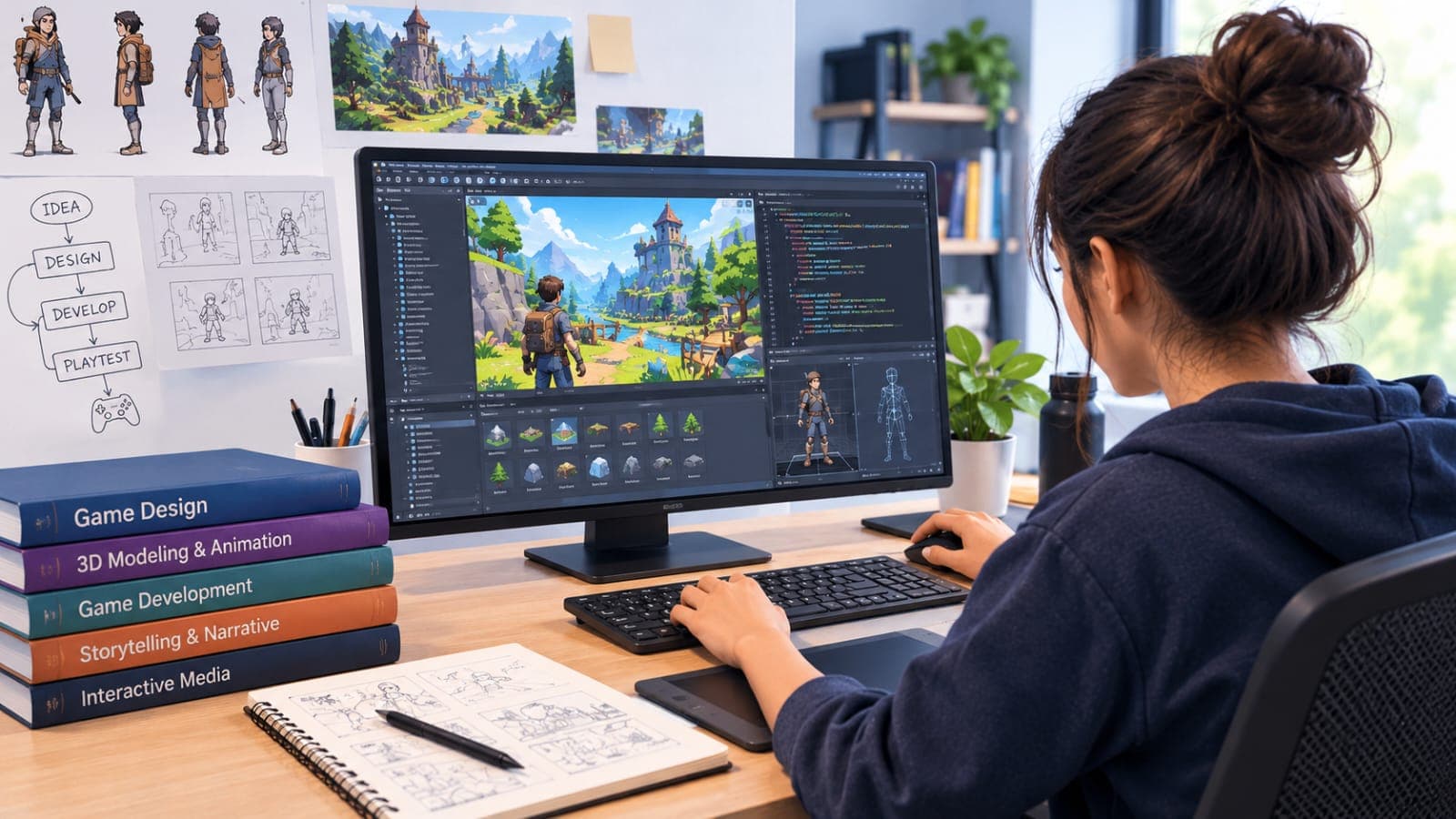
Along with game engines and production tools, you may study psychology, math, storytelling, and teamwork. This article explains what the coursework can cover, how to evaluate program costs, and how to use real-world labor data rather than marketing claims to decide whether the investment is worth it.
What Do You Learn in a Game Design Degree Program?
You can expect many programs to begin with broad foundations, although curricula differ by school. You may study design theory, basic programming, digital art, and concepts such as mechanics, dynamics, and the player experience.
The courses may draw on ideas from narrative structure, human-computer interaction, and behavioral psychology. Those skills can also be relevant to adjacent roles in UX, simulation, and training software, depending on your specialization.
Many applicants struggle to choose a college major because creative fields can offer uncertain career prospects. Asking yourself whether you like making systems as well as using them is a useful way to gauge how well you will handle the work.
Core Subjects and Skills
A game design degree may combine several areas of study:
Game design theory and interactive systems.
Basic programming and digital art.
Narrative structure and storytelling.
Human-computer interaction and behavioral psychology.
Game mechanics, dynamics, and player experience.
Teamwork and project development.
The balance between these subjects depends on the program and your chosen specialization.
How Skills Develop Throughout a Game Design Degree
Practical projects help students apply classroom concepts to interactive experiences. The process typically involves creating prototypes, testing ideas, identifying problems, and improving the design.
Start by Making a Prototype
In your early courses, you may make paper prototypes and simple digital mockups. Quick, inexpensive iteration helps you identify problems before investing time in polished builds.
Learn a Game Engine in Depth
If your program uses Unity or Unreal Engine, build small projects in that environment. Developing confidence with one tool can make it easier to approach others later.
Learn About Balance and Systems
Look at how the numbers in your builds affect player behavior through reward loops, difficulty curves, and in-game economies.
Test Your Game With Different Players
Try out the game with people you don't know. Ask players outside your close circle to test the game while you observe without coaching them. Note where they hesitate or become confused, as these moments can reveal problems that praise might miss.
How to Make the Most of Your Game Design Coursework
Beyond completing assignments, students can develop stronger design skills by documenting their decisions, seeking feedback, and building projects of manageable scope.
Consider the following practical approaches:
Write down a short explanation of why you chose a certain design for each project. Hiring managers will read this explanation just as carefully as they look at the finished build.
Every semester, take part in a game jam to improve your scope skills. Finishing a small project is better than giving up on a big one.
Take one class that isn't in your comfort zone, like statistics or scripting. This will help you qualify for a wider range of roles.
Instead of waiting until you get your final grade, ask your teachers for feedback early on, when changes are still easy to make.
Compare Degree Length and Course Plans
Program length also affects how much of this you can explore. When deciding between an associate degree and a bachelor's degree, compare the actual course plans.
Associate programs are typically shorter, while bachelor's programs may provide more room for general education, advanced electives, and capstone projects.
What Does a Game Design Degree Cost, and Is It Worth It?
Cost is just as important as curriculum. Different schools charge different tuition amounts, so look at the estimated net price, including tuition, fees, living expenses, and required materials, rather than the sticker price when comparing schools.
For online options, consult the Research.com ranking of the most affordable game design programs. Treat it as a starting point, then verify each school's current costs, accreditation, and program requirements directly.
Choose schools whose institutional accreditation you can verify, that publish clearly defined career outcomes, and that offer meaningful opportunities for industry collaboration.
Financial Factors to Consider Before Enrolling
Before committing to a program, evaluate the financial implications carefully.
Published tuition alone does not show what students with aid actually pay, so compare the net price after grants and scholarships based on your circumstances.
Borrowing money should be seen as an investment, so estimate monthly loan payments against a conservative starting salary and realistic living expenses in your intended field and location.
Check with the school to see if it reports employment outcomes by job title, graduation year, and survey response rate. A single employment rate can hide the fact that many graduates may work in fields unrelated to their degrees.
Technical depth may also support opportunities in related fields. Students exploring these technical areas may also face challenging assignments involving programming logic, algorithms, and software development concepts. When coursework becomes difficult to manage, services like computer science Class help can provide additional academic support while students continue developing their technical knowledge.
What Does the Game Design Job Market Really Look Like?
Be realistic about competition. The game industry can be difficult to enter, and recent layoffs have added uncertainty to entry-level hiring. Schools may also measure graduate employment differently, so compare their definitions, reporting periods, and response rates rather than treating placement figures as guarantees.
Check any school's employment claims against independent sources, including the Bureau of Labor Statistics' Occupational Outlook Handbook for related occupations. Keep in mind that these broader occupational projections are not forecasts specifically for game design graduates.
Programs that explain their method, sample size, and survey year provide more useful evidence than those that just give one headline figure.
Understand the Daily Responsibilities of Different Roles
Fit for the job is just as important as the program. Before you choose a major in college, find out what the daily tasks are like for people in the jobs you want. Then, make sure your program includes studio-style teamwork, version control, and production deadlines.
Day-to-day work also varies by specialty. Systems and level designers may use game editors, design documents, and spreadsheets, while narrative designers write branching dialogue, and technical designers work with programmers to script behaviors.
If you can, observe or speak with someone working in each specialty, because job titles alone rarely capture every responsibility. An informational interview can help you understand which role fits your interests and preferred way of working.
Understand Skills-Based Hiring
Skills-based hiring is becoming more common among surveyed employers. According to the National Association of Colleges and Employers (NACE) Job Outlook 2026 survey, 70% of responding employers reported using skills-based hiring for entry-level positions, up from 65% in the previous year's survey. These figures represent surveyed employers across industries, not game studios specifically.
NACE has also found that many graduating students are unfamiliar with the term "skills-based hiring." This makes clear evidence of practical skills valuable alongside academic credentials, but it does not establish that school prestige no longer matters. Students without professional mentors may need additional guidance in presenting their abilities effectively.
How to Use Career Data to Plan Your Game Design Education
Researching the job market before selecting courses can help you make more informed decisions about your education and career direction.
Match Your Courses to Job Requirements
Get twenty job postings for the role you want, make a list of the tools and skills that appear repeatedly, and then match your electives to that list.
Check where the jobs you want are advertised, whether remote work is available, and how salaries compare with local living costs before deciding whether relocation is affordable.
NACE research has found that graduates who completed paid internships received more job offers, on average, than those with unpaid internships or no internship experience. This does not guarantee the same outcome for every student or establish that all internships shorten the job search.
Use this information alongside course plans and published employment outcomes. Job postings can help identify relevant skills, while employer surveys provide broader context rather than guarantees about individual career results.
How to Build a Game Design Portfolio Employers Trust
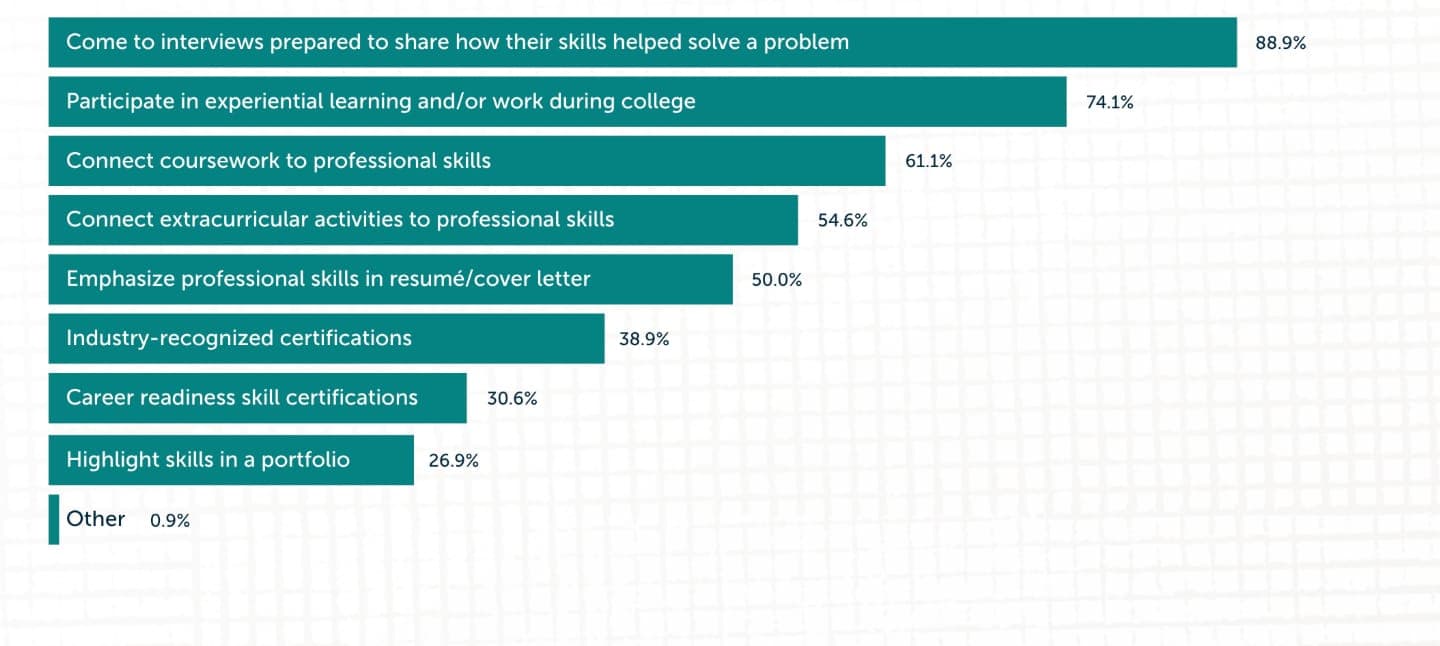
When hiring entry-level workers, companies may look for evidence that candidates can solve problems, work with others, and communicate effectively. A portfolio is one place to demonstrate those abilities. Think of it as practical evidence of what you learned during your game design coursework.
Aim to include three to five strong, relevant projects, along with a short recap that explains your contribution, the problem you solved, what playtesting revealed, and what you would improve.
Present Your Projects Clearly
Presentation is also important. Showcase your work on a simple personal website. Start with your best project and include short gameplay clips so reviewers can quickly understand what you created.
Tell the truth about your contribution to each team project, and be prepared to explain your decisions and results. Every semester, update the site so it grows steadily rather than all at once at the last minute. Also, make sure that file names, working builds, and documentation are all clear.
Between classes, you can continue learning independently. Students returning to school can supplement coursework with educational YouTube tutorials and other self-study resources, then apply each lesson to a personal project to demonstrate what they've learned.
A Simple Game Design Portfolio Checklist
Identify your specific contribution on every team project, like level layout or economy tuning, so that reviewers can see exactly what you built and how you worked with others.
Recruiters may have limited time to review each portfolio, so consider including a 30-second clip of your strongest gameplay sequence.
Write one paragraph about what went wrong with each project. Explaining the problem, your response, and what you learned can demonstrate sound judgment and an ability to improve.
Finally, think of picking a major in college as a choice that can be tested, not as a decision that will last forever. Start with a beginner class and a small prototype. Then see whether the process leaves you feeling energized or drained.
Conclusion
A game design degree teaches much more than just how to make games. You learn how to think about systems, make quick prototypes, work with others, and test your ideas with real people. These skills may also be useful in technology, education, and entertainment, depending on your training and experience.
Whether you're exploring tech careers for students or deciding which degree fits your goals, carefully compare costs, build a portfolio, and use employer data as a guide instead of a guarantee.
Do something small at first, test your interest with a prototype, and then let what you learn guide your next step.
Frequently Asked Questions
What subjects do you study in a game design degree?
Do you need to know programming before studying game design?
How long does it take to complete a game design degree?
What careers can you pursue with a game design degree?
Is a game design degree worth it?
Can you become a game designer without a degree?
What should a game design student include in a portfolio?
Get matched with a tutor for the topics you find hardest. Connect with a tutor or academic support specialist for a one-on-one session.
Free Inquiry · No Card Required · Reply in 15 MinutesFree Inquiry · Reply in 15 Minutes